


A product used in agriculture has different properties to one used in construction, which is why the coatings used will also differ. BIO4COAT is developing coatings for eight different sectors: plastics, hygiene, textiles, agriculture, horticulture, furniture, energy and construction. Below, we explain why coatings are important in these sectors and what they are used for.
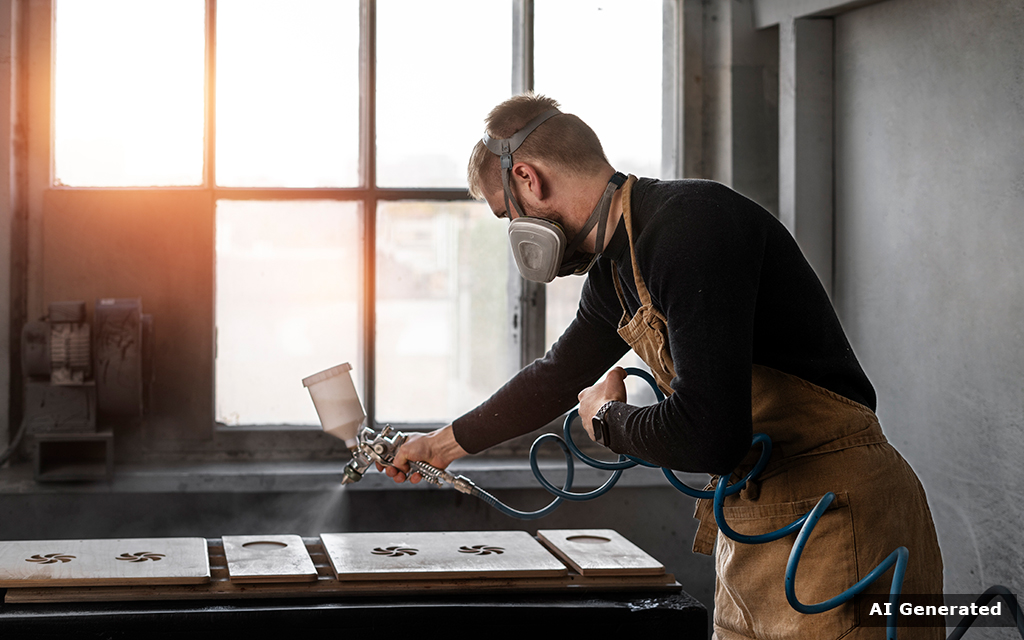
Let’s start at the beginning: what is a coating?
Coatings are thin layers of material applied to a surface to modify or enhance its properties, improving durability, performance, safety or appearance depending on the application.
1. Plastics
Why? Virgin or recycled plastics suffer accelerated degradation from sunlight, scratch easily and accumulate static electricity which attracts dust.
What for? To add an outer protective layer that provides scratch resistance, UV filter and anti-static properties. They are also used to improve the printability of plastic packaging and ensure that it does not accumulate harmful chemicals.
2. Hygiene
Why? Surfaces that are frequently touched (handrails, switches, screens, stretchers) are the main vectors for the spread of resistant viruses and bacteria.
What for? To create coatings that mechanically or chemically break down the cell walls of pathogens. This continuously prevents the spread of infection in hospitals and public facilities, reducing reliance on temporary liquid chemical disinfectants.
3. Textiles
Why? Natural or synthetic textile fibres absorb moisture, trap stains and are prone to the growth of mould and unpleasant odours.
What for? To make fabrics hydrophobic without compromising breathability, fire resistance and antimicrobial properties in sportswear or medical clothing.
4. Agriculture
Why? The widespread use of traditional polyethylene plastics for soil protection generates tonnes of waste that is difficult to recycle and leaves microplastics in the soil.
What for? To develop biodegradable coatings for agricultural paper or bio-based mulch films. These regulate soil temperature, prevent water evaporation and suppress weeds, with the advantage that at the end of the harvest they are ploughed directly into the soil and integrated as non-polluting biomass.
5. Horticulture
Why? In horticulture, reusable growing containers are washed hundreds of times, accumulating pathogens and mineral deposits that compromise plant health. Seeds and fertilisers, meanwhile, need controlled release to optimise growth without saturating the growing medium.
What for? Ultra-thin polymer coatings are applied to reusable pots to make them easier to wash, and functional controlled-release coatings are used on fertilisers or root protectors to optimise plant growth without saturating the growing medium.
6. Furniture
Why? Furniture made of wood, composite boards or metal is exposed to knocks, household damp, food stains and harsh cleaning products.
What for? To provide durable surface finishes that prevent liquids from penetrating the material, stop colour fading caused by sunlight, improve the tactile quality of surfaces, making them smoother, more resistant to fingerprints and easier to clean.
7. Energy
Why? Solar panels, wind turbine blades and electrical infrastructure suffer extreme wear and tear due to wind, hail, frost and the build-up of dirt.
What for? To create superhydrophobic or self-cleaning surfaces that prevent dust from adhering to solar panels (which would reduce their energy efficiency) and anti-icing coatings on wind turbines that prevent mechanical accidents caused by excess weight.
8. Construction
Why? Facades, bridges and concrete or steel structures deteriorate due to inclement weather, humidity and urban pollution.
What for? To waterproof surfaces against water ingress, protect internal metal reinforcement from galvanic corrosion and provide fire-resistant properties that slow down the spread of flames and help protect structural integrity in the event of a fire.
In summary, furniture and clothing (among many other products) require coatings, but not the same ones. At BIO4COAT, we focus on developing bio-based coatings for demanding applications and extreme conditions across the eight sectors mentioned.